Now Available: Eight Digital Files from Barry Spinello
Posted July 9th, 2026 in Announcements, New Acquisitions, New Digital Files, News / Events
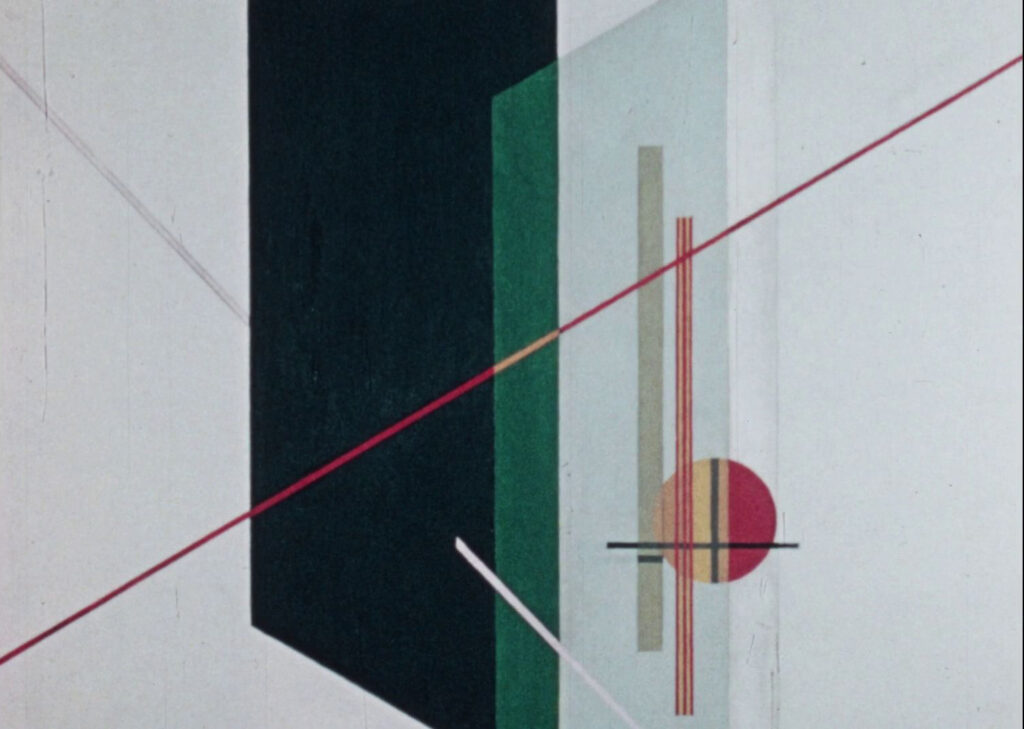
Canyon Cinema is pleased to announce that eight films by longtime artist member Barry Spinello are now available in digital formats. The deposit includes several of Spinello’s signature cameraless animations, as well as his documentaries Erica: Not in Vain (1983) and Film Graphics: Abstract Aspects of Editing (1972), and his hybrid live-action and hand-painted Daylight (1972).
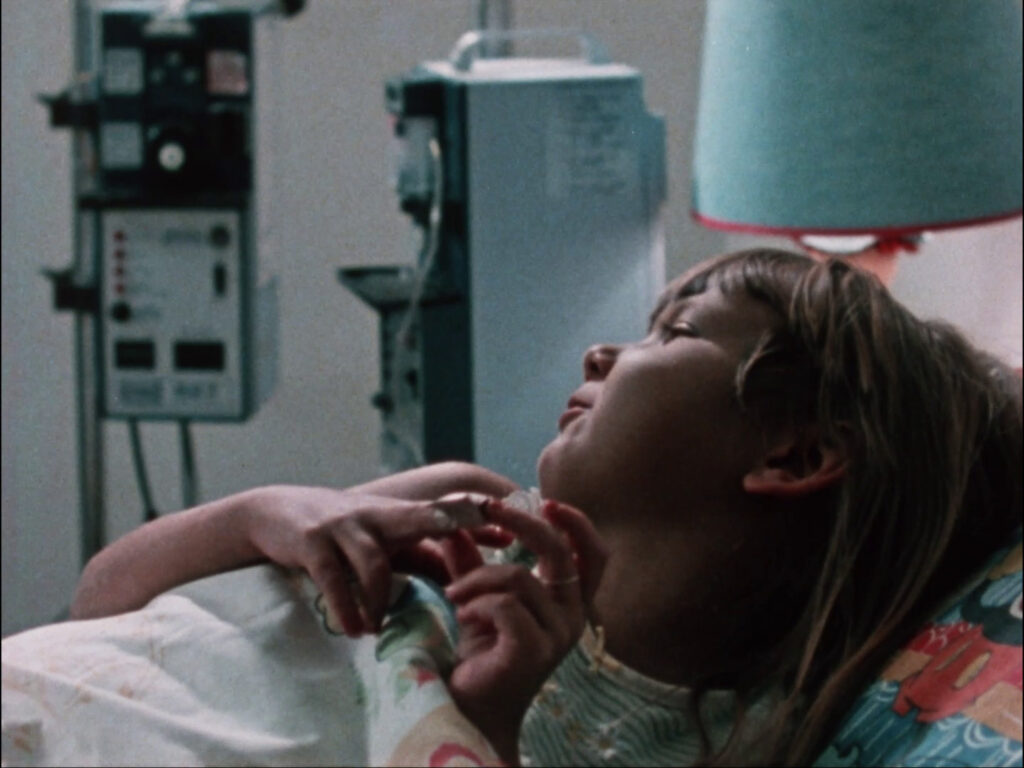
Erica: Not in Vain (1983, 46 minutes, color, sound, 16mm or digital file)
The documented story of an American family in tragedy. Extremely sad, vulnerable, and moving – maybe more so than a film should be.
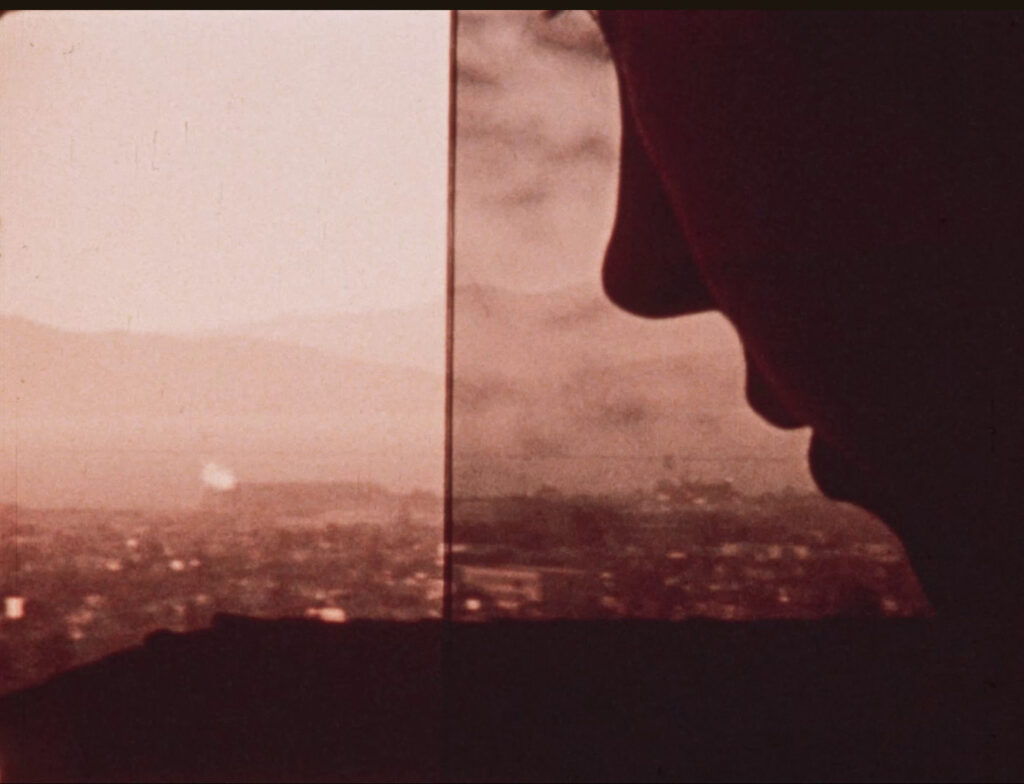
Daylight (1972, 22 minutes, color, sound, 16mm or digital file)
This film is my bridge from filmpainting to live-action filmmaking. A grant from a former teacher, through the National Counsel of Churches, enabled me to purchase camera, tape recorder, and editing equipment. Daylight combines filmpainting and live-action techniques. It took two years to make and starts with the words: “And so the journey ends.” Although some people at the time called it a very moving film, I haven’t looked at it in 20 years.
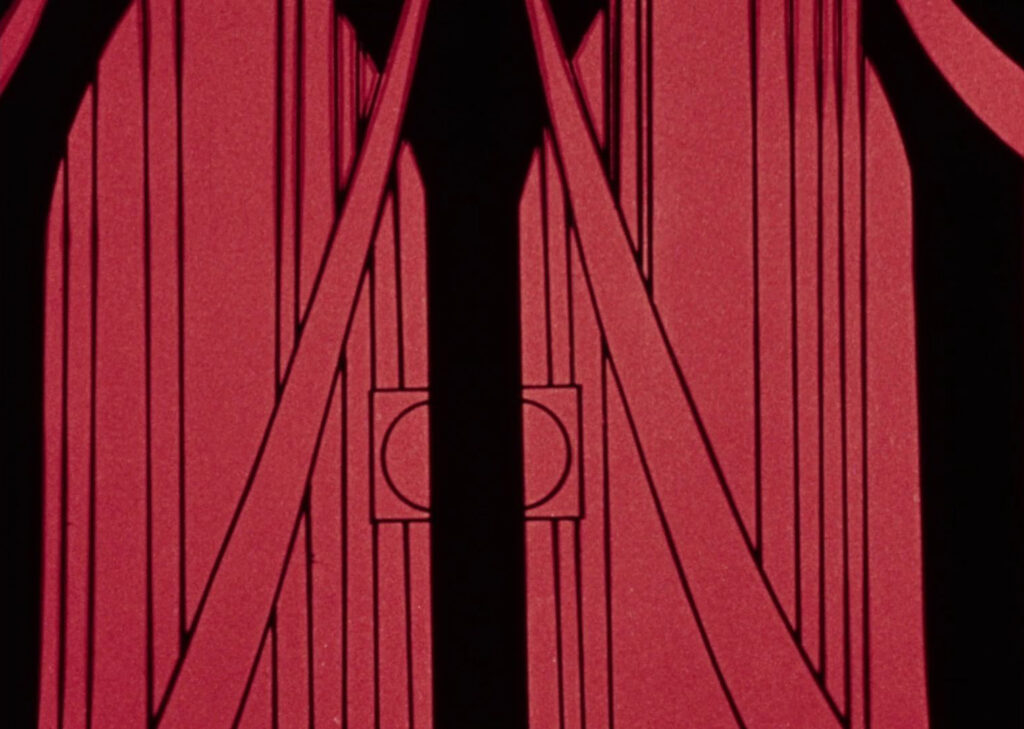
Film Graphics: Abstract Aspects of Editing (1972, 15 minutes, color, sound, 16mm or digital file)
A “didactic” and “educational film” (distributed by Grove Press until they went out of the film business), Film Graphics uses clips from Buñuel and Eisenstein, along with animated overlay, to illustrate basic principles of classic film editing. Good for film editing and film study classes. Made with Paul Aratow, who went on to produce Sheena Queen of the Jungle.
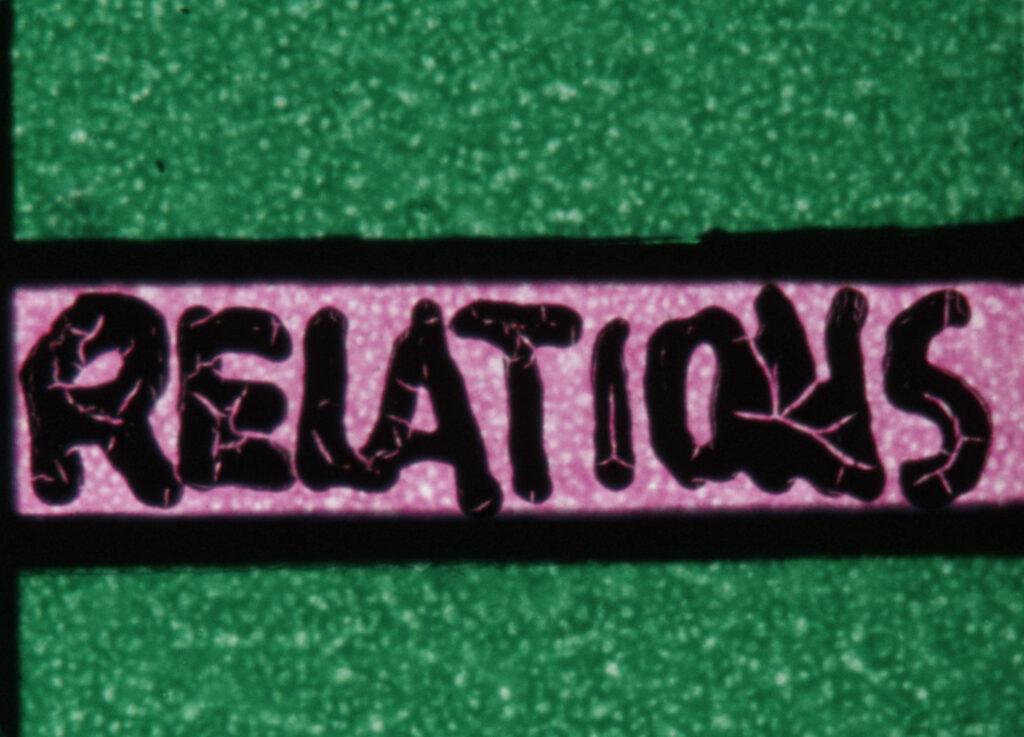
Colored Relations (1970, 4 minutes, color, sound, 16mm or digital file)
Handmade sound and image; light, colorful, humorous.
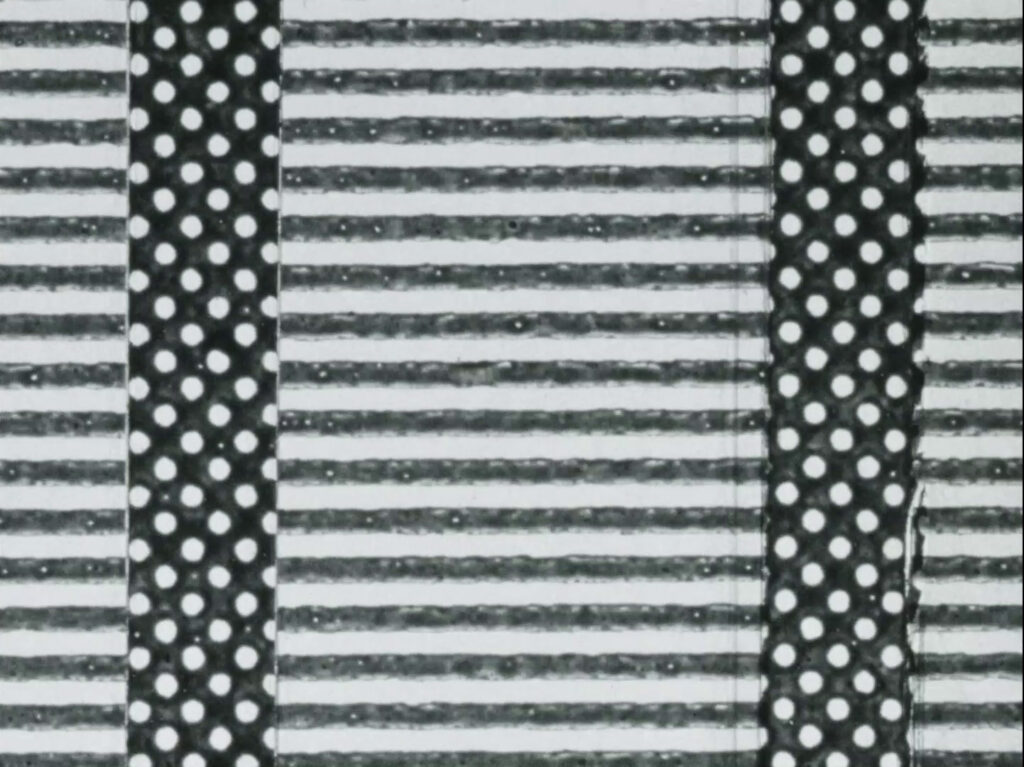
Six Loop Paintings (1970, 11 minutes, color, sound, 16mm or digital file)
In Six Loop Paintings, as in Soundtrack, sound and image are hand applied directly on to 16mm clear leader. The image at a given instant is repeated both on the image track and soundtrack, so that the viewer is visualizing the image he is hearing. However, unlike Soundtrack, the images and sounds in Six Loop Paintings are not painted; they are made by cutting to size and pasting acetate self-adhesive patterns (Micotape and Zipatone) directly onto the clear film. Each pattern yields a distinct sound. Patterns of lines yield square wave sounds; patterns of dots yield sine wave sounds; patterns of diamonds yield sawtooth wave sounds, etc. The finer the pattern, the higher pitched the tone. The further spaced the pattern, the deeper the tone …. I especially recommend Six Loop Paintings to those interested in the texture of sound and image, and in the ways sound and image can relate to each other.
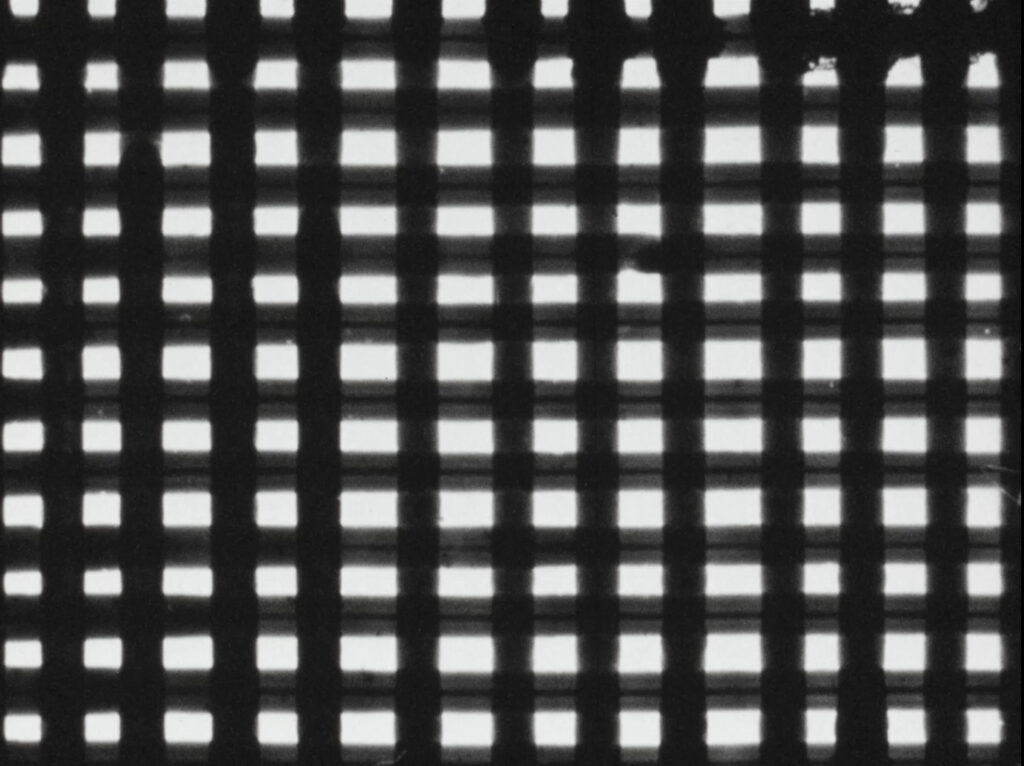
Variations on a Seven Second Loop Painting (1970, 6 minutes, b&w, silent, 16mm or digital file)
The “theme,” a seven-second loop-painting (actually closer to eight), is repeated seven times in succession before the title appears. Then, using an optical printer, the variations start. After each variation the original theme is repeated once. The variations involve step-printing, repetitions and optical manipulations. They very closely follow the original theme.
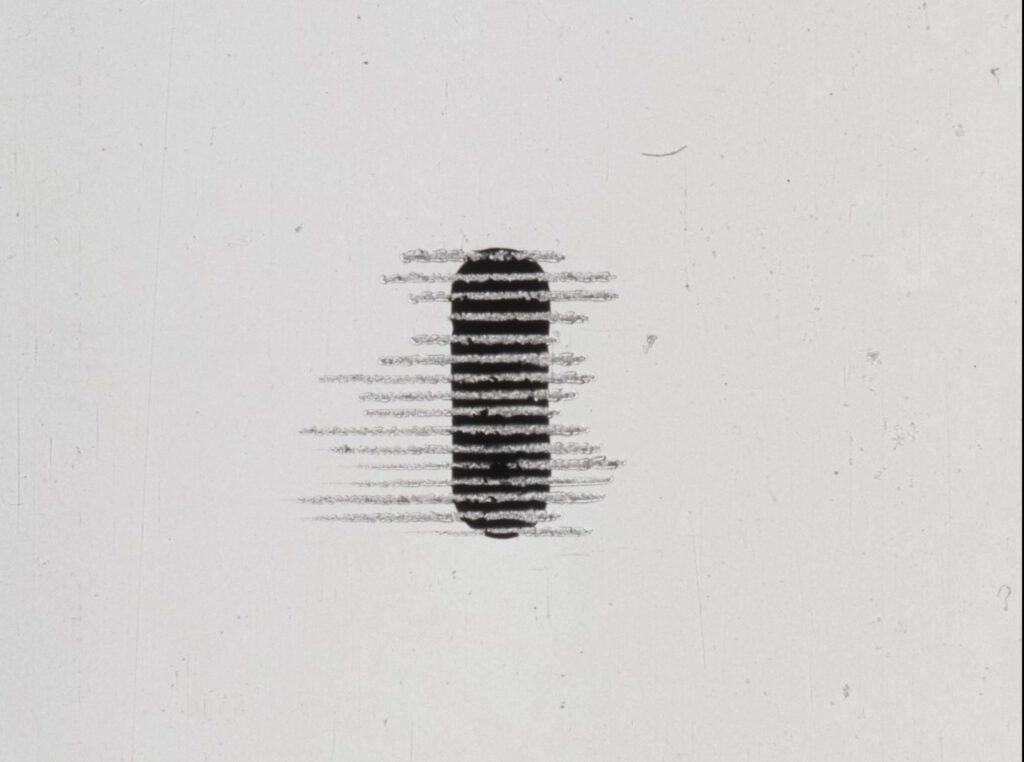
Soundtrack (1969, 10 minutes, color and b&w, sound, 16mm or digital file)
Black and white with some color hand-applied to each print, hand-painted image, hand-painted sound.
I think every student of film should, early in his studies, make a film such as Soundtrack; namely, a film in which sound and image are conceived together as a unit and painted one frame at a time. The advantages for students of handpainting sound and image are threefold: 1. the expense involved is minimal. 2. there is no time lag between the conception of an idea and its realization and screening (no lab wait, etc.) 3. ideas can be expanded, modified and changed immediately and directly after viewing. A basic feel for audio-visual space-timing and the grammar of the frame can be learned in this way. … Articles and illustrations which describe the tools and techniques used in making Soundtrack can be found in Source magazine (issue no.7) and Film Culture magazine (issue no. 48-49).
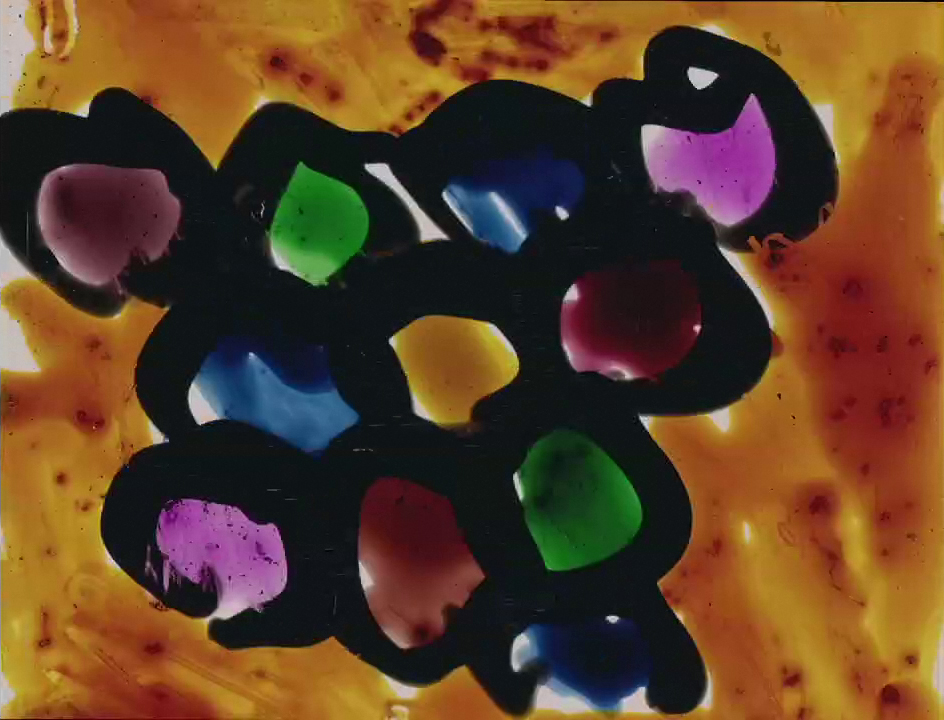
Sonata for Pen, Brush, and Ruler (1968, 11 minutes, color, sound, 16mm or digital file)
Sonata was made without camera or tape recorder by handpainting thousands of images onto 16mm clear leader. I had been a painter and musician up to this time. I found the size of my paintings becoming smaller and smaller …. It was a logical and natural step for me to proceed to drawing images directly onto 16mm clear leader. … It wasn’t long before I learned McLaren’s method of painting sounds directly on the soundtrack. … I worked on Sonata like a man possessed, determined to make a film, and a sound film, with no funds to do so. Sonata was made for three dollars worth of clear movie film and five bottles of ink, for a total production cost of nine dollars, plus seven months of my life: fifty hours per week for seven months – sixteen thousand individual frames, each one painted with love and care. … My overall aesthetic purpose was to shape and compress the tremendous kinetic energy of the handpainted image into a harmonious unit, which could be enjoyed on many levels and with many screenings.